


I like this quote from D. Elton Trueblood:
“A man has made at least a start on discovering the meaning of human life when he plants shade trees under which he knows full well he will never sit.”
It makes plain what we’ve lost along the way: our patience. Not only the willingness, but also the means to take the long view.
For Trueblood, it meant planting a tree today so someone in the future can rest in its shade. I’ve been thinking about what that means for how we build.
I believe that decades of inflation and failed fiscal policy have forced the real estate industry into short-termism. Viability – the ability to complete a project without going broke – is so tight that developers find themselves with two options: hike prices, or squeeze every possible cost out of a building’s design, materials and, ultimately, its soul.
While I think we all innately feel like the modern built environment is lacking something, this idea was explained in a book I’m reading called The Great Wave. In it, the author David Hackett Fischer investigates the major price fluctuations in history. These are waves of high inflation - socially and politically corrosive - followed by price equilibrium.
Fischer shows how these waves leave their mark on our buildings. He describes the windows of price stability as fertile ground for building – and, I’d argue, for a kind of speculation that wouldn’t be possible during inflation. The churches, homes and civic buildings of those periods capture the optimism and prosperity of their time, evoking emotion through beautiful architecture that we prize and go to great lengths to preserve today.
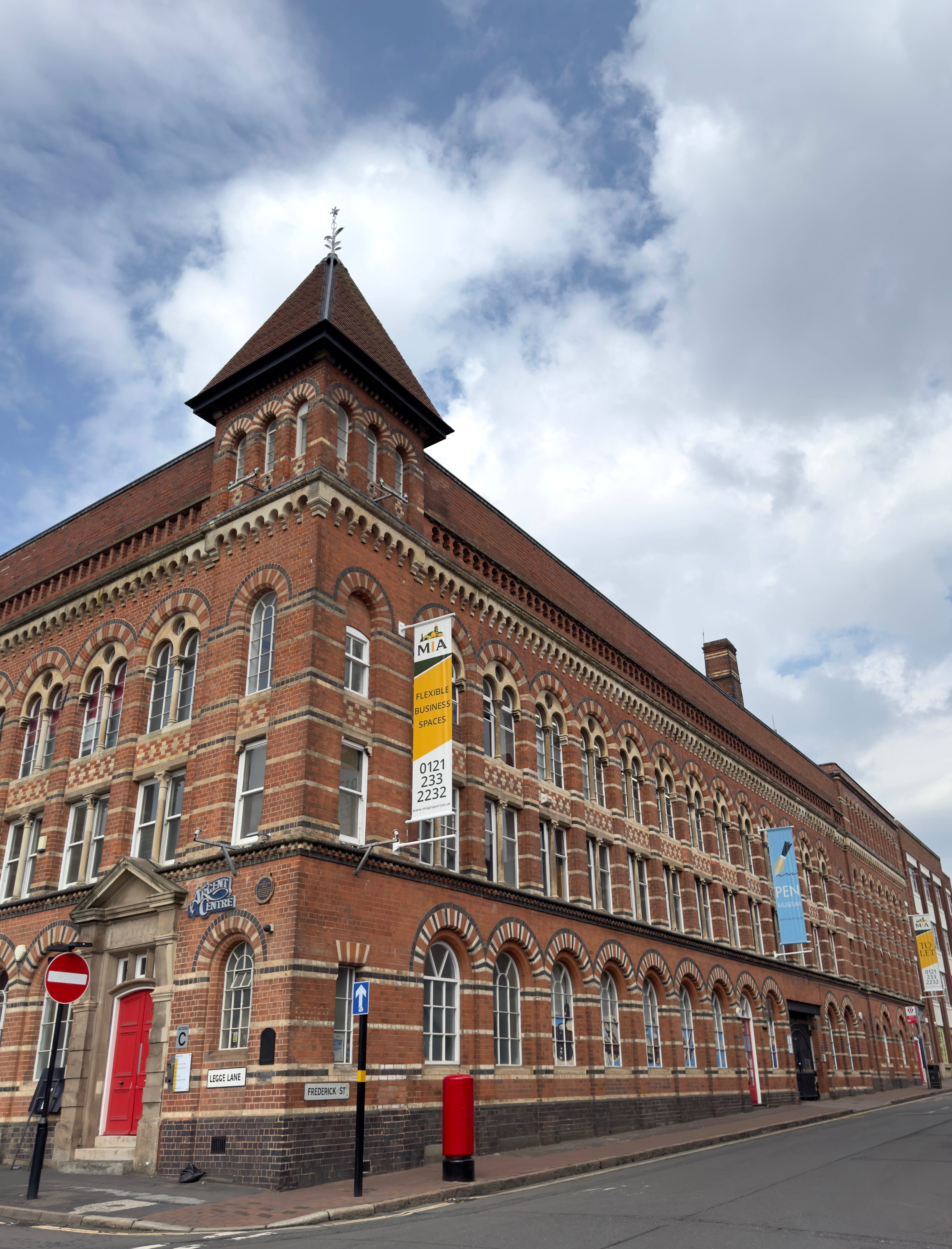
I’m writing a separate essay on this idea that will be published shortly.
As part of the research for the piece, I wanted to speak to people in real estate who may not share this monetary thesis, but who are vocal about current development.
Coby Lefkowitz is an urbanist, real estate developer, lecturer and author of Building Optimism: Why Our World Looks the Way It Does, and How to Make It Better.
Coby is one of the most likeable guys I’ve ever met. There’s a warmth to him. It comes across most in his self-deprecation – during our podcast he called himself “not normal”, and was quick to clarify: “I don’t mean that to say that I’m special. I mean it to say that I’m worse. I’m deficient in some really essential ways.” An almost insanity he associates with being a small developer operating in New York and California.
Coby traces today’s homogeneity partly to decisions taken in the 1920s and 1930s, when at least in the US, zoning codes – planning for my UK readers – were laid down.
We also spoke at length about the institutionalisation of real estate: how much of the new development carried out today is backed by pension funds, endowments, insurance companies and corporate investors. Parties whose primary focus is risk aversion and financial return.
I’ve always found it difficult to hear people placing the blame on these large businesses. You only need to log on to X or listen to a few episodes from the podcasters, and you’ll hear it repeated that these global asset managers and investors are ‘buying up all the homes’.
I’ve never heard someone address this complex issue in a more nuanced way than Coby.
He argues that, as stewards of capital responsible for people’s pensions or other investments, these businesses are rational actors, working within the conditions available to them. He’s not blinded, however, and doesn’t shy away from pointing out a mismatch in incentives, time horizons and how the challenge is that these institutional firms are increasingly the only builders.
He is vivid on what it’s like to be a small developer committed to creating beautiful buildings – structures that aren’t just aesthetically pleasing, but that meet our needs in different and harder-to-name ways.
These are buildings that compound and give back for generations, so our grandchildren’s grandchildren can take pleasure in occupying them: an office, or a home, or the Pig and Tail, a snug corner pub 50 metres from my front door, where the stained-glass windows still catch the glow of Brum’s 4pm autumn light.
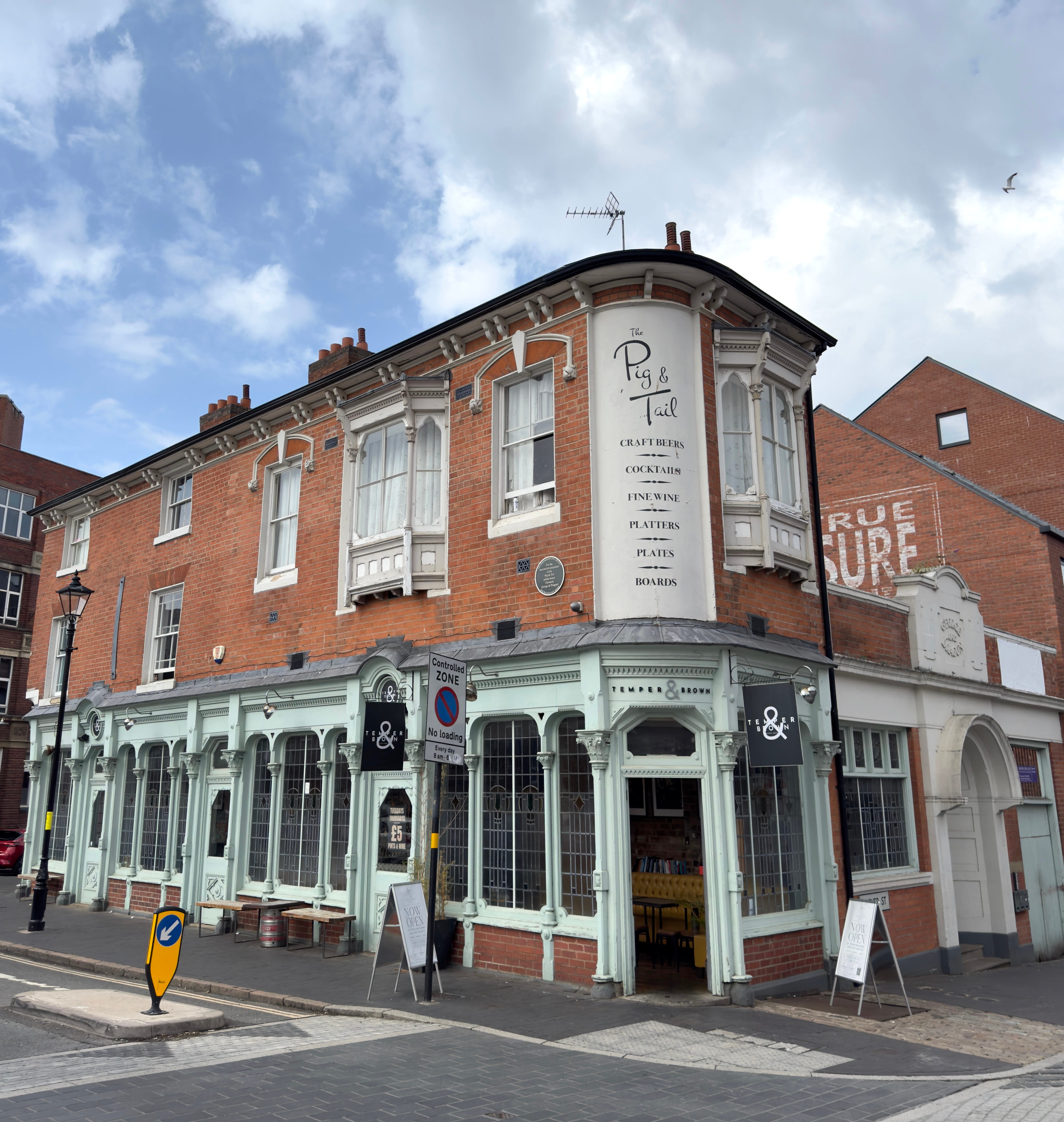
Coby is an old romantic in a world of yields, and IRR, and price per sq ft. That’s not to say he’s naïve; listen and you’ll hear a commercially savvy operator, but he’s also alive to what we lose when we settle for - in his words - “sad and dreary places”.
While I believe that a return to a low time preference orientated way of building depends on fixing the money, Coby’s story is one of pragmatic optimism: clear-eyed about the financial and operational impracticalities of developing real estate in this way, but doing it anyway.
To build for today, and for a stranger in a far-off future.
The line I keep coming back to:
“As I work through my career to build enough of my own capital to create structures that will reinvest and compound back on themselves, such that in two to five to eight to ten generations… the efforts that I plant today may be enjoyed by posterity.”
— Coby Lefkowitz, Orientation, Episode 3